In the bowl of a stand mixer fitted with the dough hook attachment, combine the flour, dill fronds, and salt. With the mixer on low speed, slowly pour in the hot water and mix until a dough forms a fairly smooth ball around the hook, about 10 minutes. If the flour is not completely incorporated after 2 minutes, add more water, 1 tsp at a time, until all the flour is moistened. If mixing by hand, in a bowl, mix together the flour, dill, and salt and then, with a pair of chopsticks, stir in the hot water a little at a time until the flour is damp enough that it begins binding together. Knead the dough for a couple minutes in the bowl until smooth and combined.
Form the dough into a smooth ball and let rest in the bowl, covered with a damp kitchen towel, for 30 minutes. The dough should now look perfectly smooth, feel soft, and slowly spring back when you press it.
Divide the dough into six pieces of roughly the same size. If using a pasta roller, roll one piece at a time (keep the rest covered), starting at the thickest setting and moving down incrementally until slightly more than 1/16 inch thick (setting 4 on a KitchenAid pasta roller), doing your best to roll out a wide sheet. Roll the dough through twice on this final setting. If rolling by hand, lightly flour a rolling pin and roll each piece out to 1/16 inch thick.
Using a 3/4-inch round cutter, cut out circles of dough, layering the rounds between sheets of parchment paper and covering the top layer with a damp kitchen towel. Gather up the dough scraps, re-roll, and cut until you have about thirty-six wrappers. Leave covered with a damp kitchen towel and refrigerate until ready to use, up to 1 day.
For the Filling
Warm a wok or large frying pan over medium heat. Add the neutral oil and let it heat up a few seconds. Add the cabbage and cook until completely tender, about 10 minutes. Transfer the cabbage to a bowl and put in the refrigerator until chilled, about 30 minutes.
Meanwhile, using a meat grinder, pass the fish, shrimp, and scallops through a coarse grinding plate (1/4-inch / 6mm holes) into a medium bowl. Or hand chop each component with a cleaver until a rough dice, then combine and continue to chop until an even, fine mince. Transfer to a bowl and put in the refrigerator.
When the cabbage is cool, use your hands to squeeze as much moisture from it as possible and add to the bowl of seafood. Add the wheat starch, cornstarch, chives, and salt and vigorously mix with a wooden spoon until a sticky paste forms.
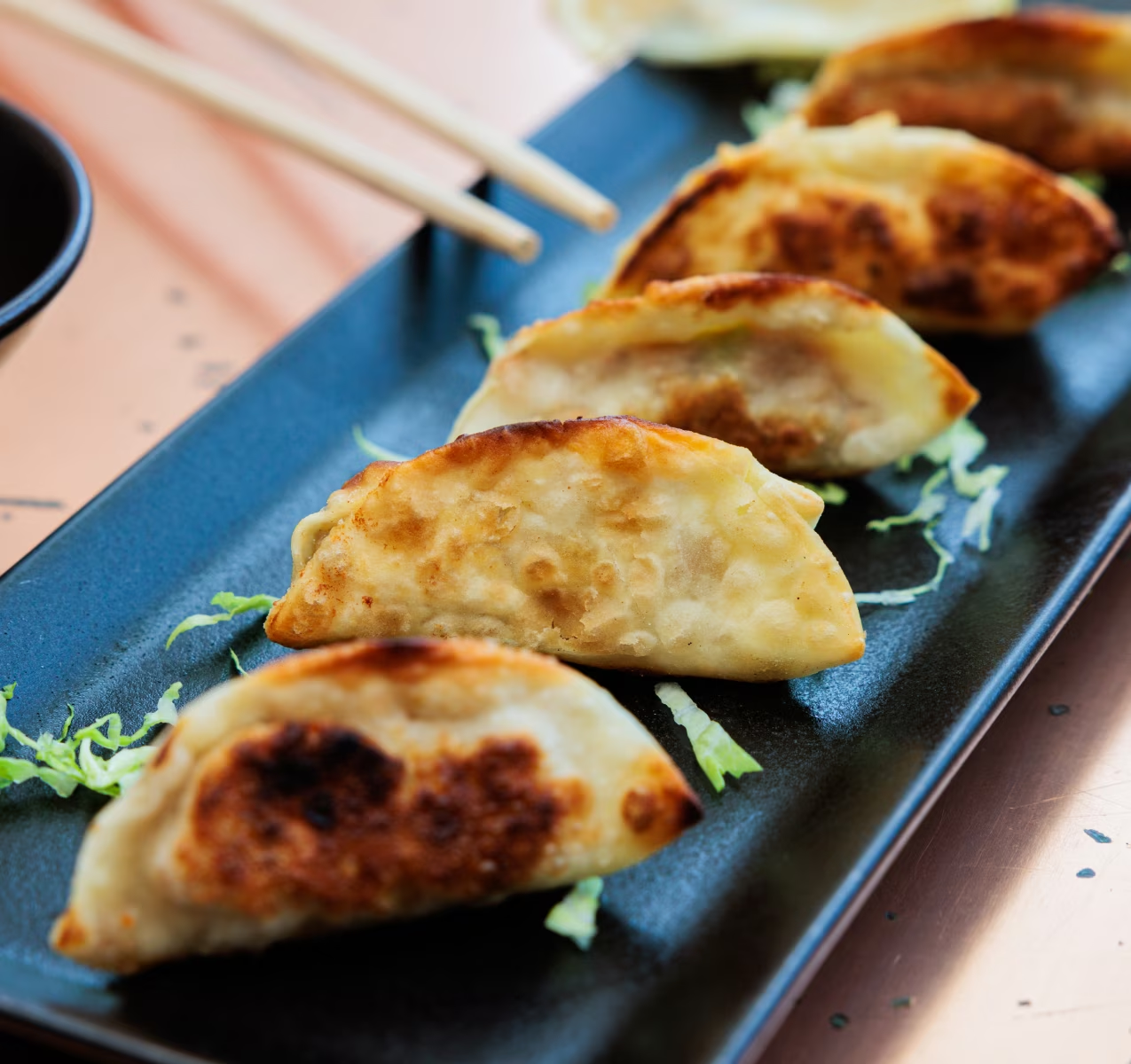
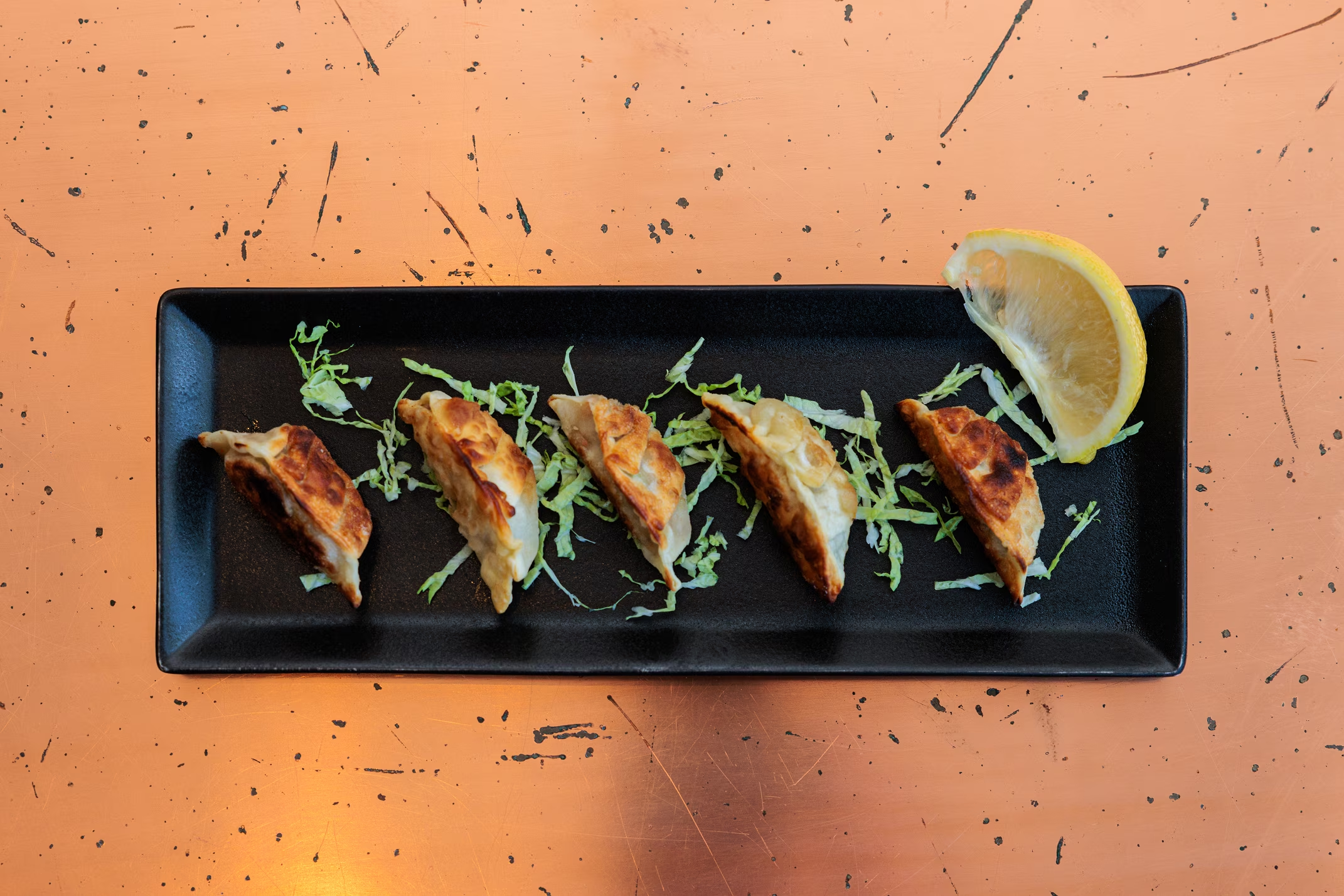
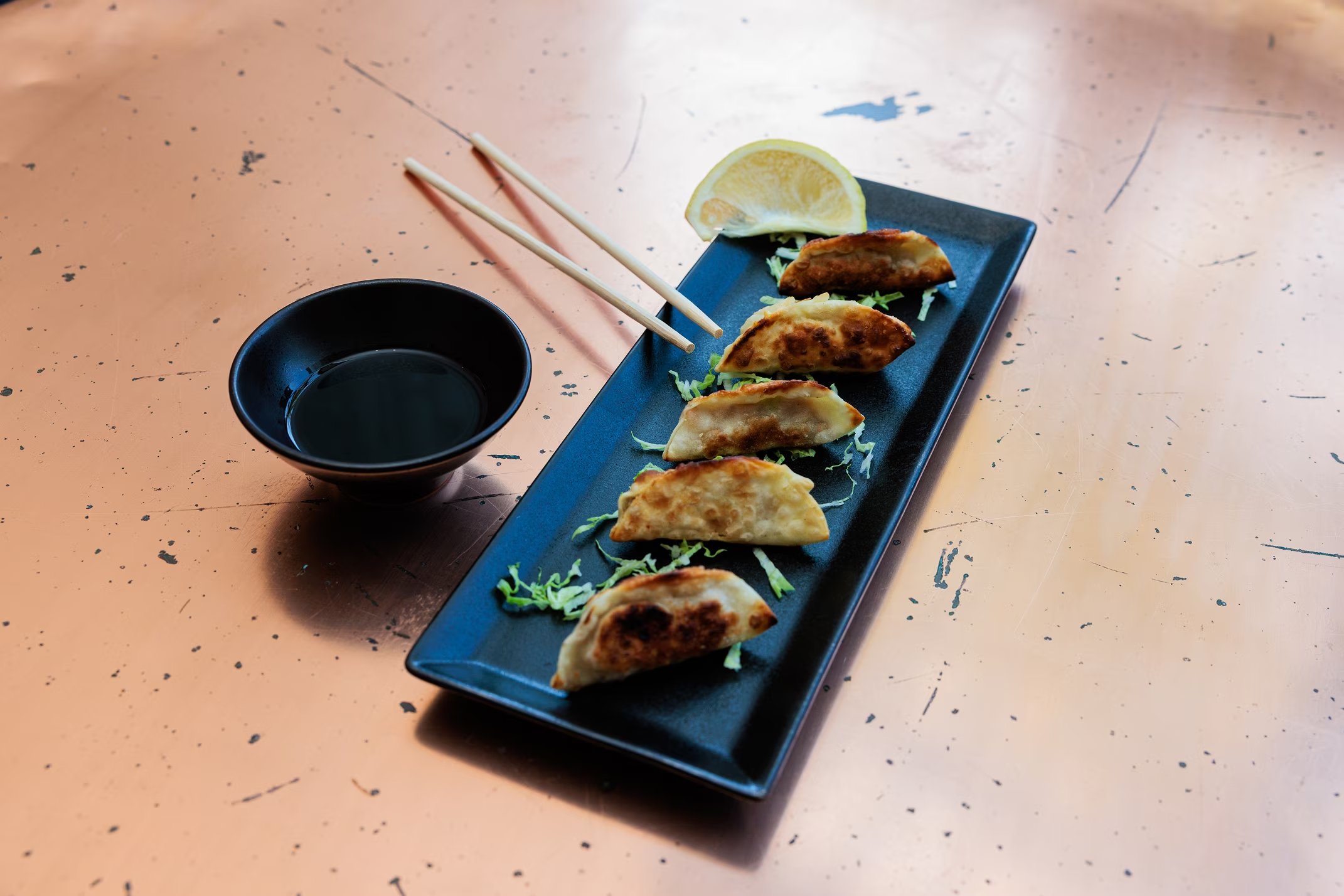
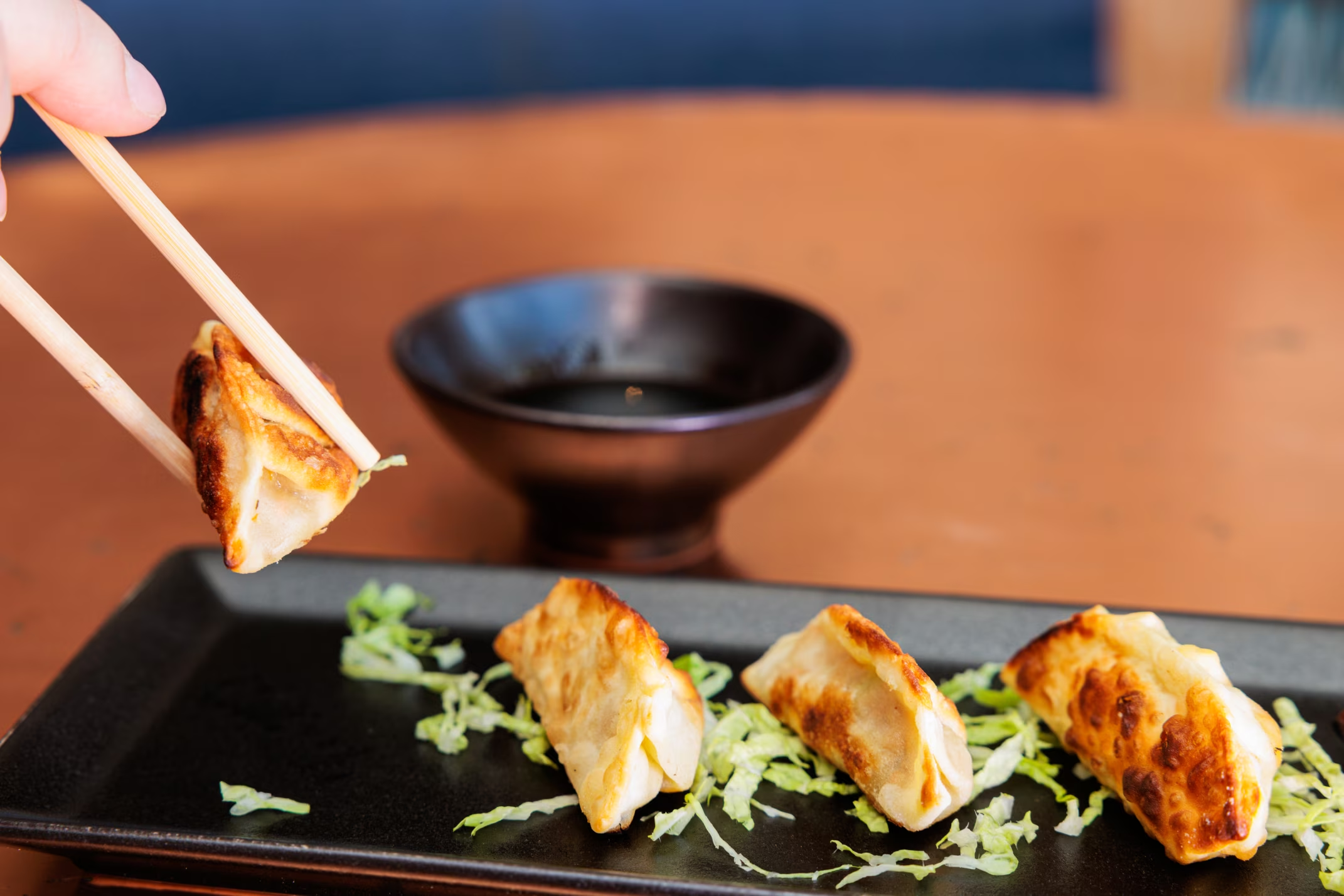
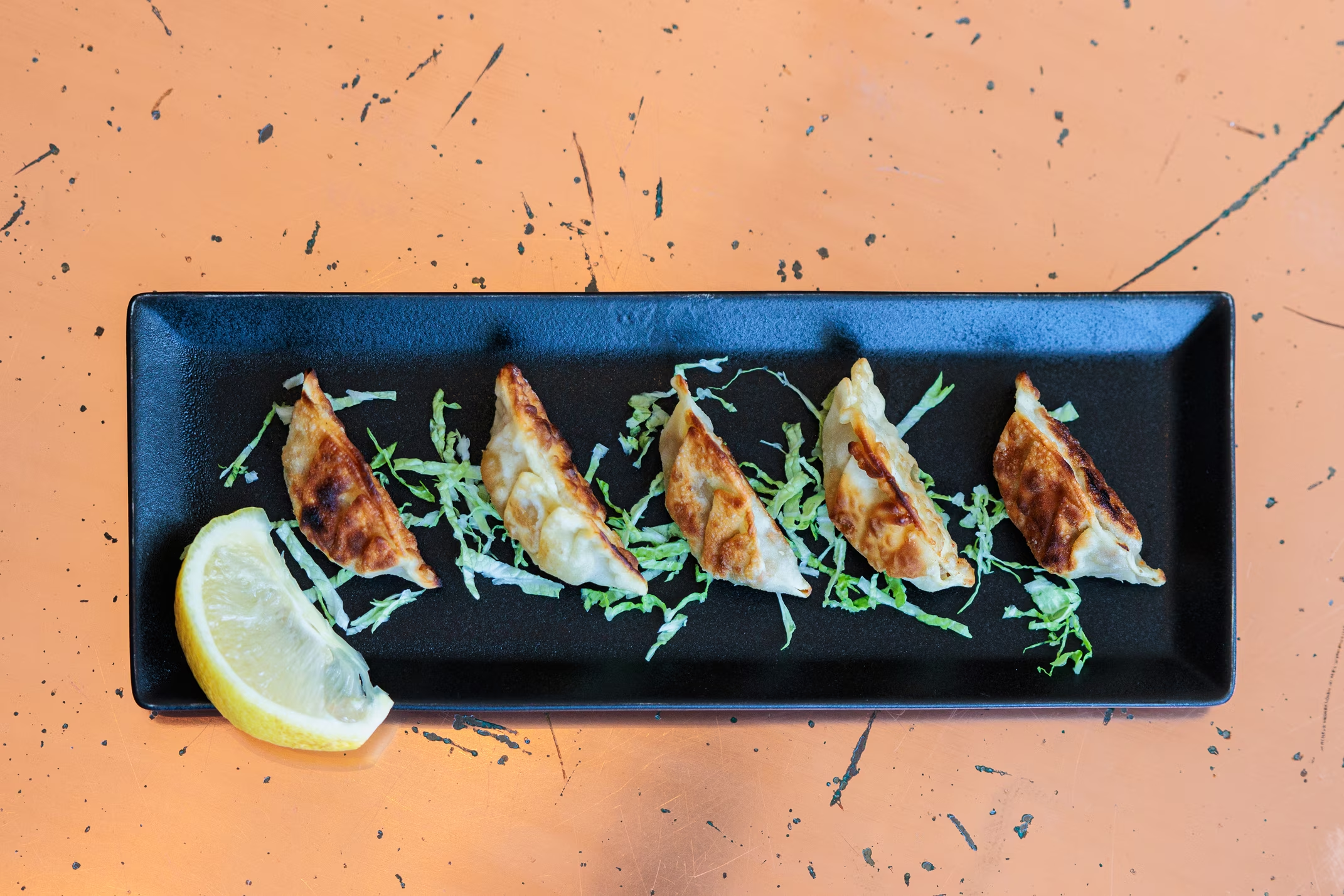
Line a rimmed baking sheet with parchment paper. Uncover six of the wrappers at a time (keep the rest under a damp kitchen towel while working). Spoon 1 Tbsp filling in the center of a wrapper and flatten a bit. Fold the wrapper in half by bringing the bottom up to the top, then pinch the edges together to seal. Starting at one end, make about six pleats along the sealed edge. Hold the shui jiao by the pleats and gently plop it down on the baking sheet to form a flat bottom. Repeat until all the filling is used up. If at any point the wrappers start to dry out and stop sealing when pinched together, trace the edges of the wrapper with a water-dampened finger. (If not cooking right away, refrigerate the shui jiao on the baking sheet, covered with a damp kitchen towel, for up to 1 day. You can also freeze them solid, uncovered on the baking sheet, then transfer to a freezer bag and store in the freezer for up to 2 months. Cook from frozen; do not thaw first.)
In a medium bowl, stir together the vinegar, both chile oils, soy sauce, and sesame oil. Set this sauce aside.
Bring a large saucepan of heavily salted water (it should remind you of seawater) to a boil over high heat. Add one-third of the shui jiao and boil until cooked through, 5 minutes if fresh, or 6 minutes if frozen. Using a slotted spoon, transfer the shui jiao to a plate. Repeat with the remaining shui jiao.
Spoon a generous amount of the reserved sauce into individual serving bowls and add five or six shui jiao to each bowl. Garnish with dill fronds and serve immediately.